

Introduction:
“The landscape of IT infrastructure is rapidly evolving, driven by the increasing demand for data-driven insights, real-time processing, and seamless connectivity. Cloud computing and edge computing are emerging as key technologies that are shaping the future of IT infrastructure, and it is vital for businesses to understand how these technologies work together.”
Understanding Cloud Computing:
“Cloud computing delivers computing services—including servers, storage, databases, networking, software, analytics, and intelligence—over the Internet (“the cloud”) to offer faster innovation, flexible resources, and economies of scale. There are three main types of cloud computing: Infrastructure as a Service (IaaS), Platform as a Service (PaaS), and Software as a Service (SaaS). Cloud computing benefits include scalability, flexibility, and cost efficiency. Businesses can easily scale their resources up or down as needed, without having to invest in expensive hardware. Cloud providers also handle infrastructure management, freeing up internal IT staff to focus on strategic initiatives.”
The Rise of Edge Computing:
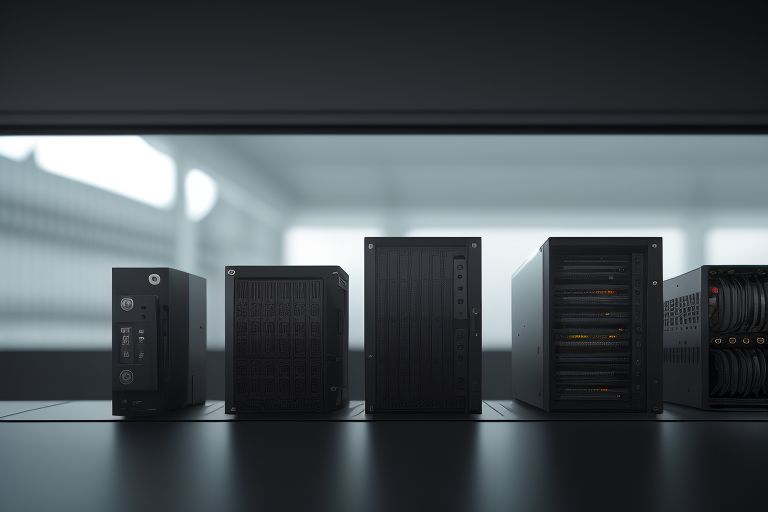
“Edge computing brings computation and data storage closer to the location where it is needed, to improve response times and save bandwidth. Edge computing is particularly useful for applications that require real-time processing, such as IoT devices, autonomous vehicles, and augmented reality. Edge computing benefits include reduced latency, improved reliability, and enhanced security. By processing data closer to the source, businesses can reduce the time it takes to respond to events and improve the reliability of their applications.”
Synergies Between Cloud and Edge:
“Cloud and edge computing are not mutually exclusive; they work together to create a powerful and distributed IT infrastructure. The cloud provides a centralized platform for data storage, processing, and analysis, while edge computing provides a distributed platform for real-time processing and local data storage. For example, IoT devices can collect data at the edge, and then send it to the cloud for analysis and storage. This allows for real-time processing and long-term data analysis. Edge computing handles immediate needs, while the cloud handles larger, long term needs.”
Implementing Cloud and Edge Solutions:
“Implementing cloud and edge solutions requires careful planning and consideration. Businesses need to assess their specific needs and requirements, and then choose the appropriate cloud and edge technologies. Passpro Computer can help businesses design and deploy cloud and edge infrastructure, including:
- Cloud migration: Moving applications and data to the cloud.
- Edge device deployment: Deploying edge devices and configuring them for specific applications.
- Cloud and edge integration: Integrating cloud and edge platforms to create a seamless IT infrastructure.”

The Impact on Businesses:
“Cloud and edge computing are transforming various industries, such as manufacturing, healthcare, and retail. In manufacturing, cloud and edge computing are used to improve efficiency and reduce costs. In healthcare, they are used to improve patient care and reduce costs. In retail, they are used to improve the customer experience and increase sales. By leveraging these technologies, businesses can gain a competitive advantage and drive innovation.”
Conclusion:
“Cloud and edge computing are shaping the future of IT infrastructure. By embracing these technologies, businesses can unlock new opportunities and drive innovation. Contact Passpro Computer to learn how we can help you build a future-proof IT infrastructure.”